


Some cities impress you with their skyline. Kolkata wins you over in quieter ways. The first thing I noticed was not a monument or a famous landmark. It was the feeling. The city felt old, but not tired. It felt lived in.
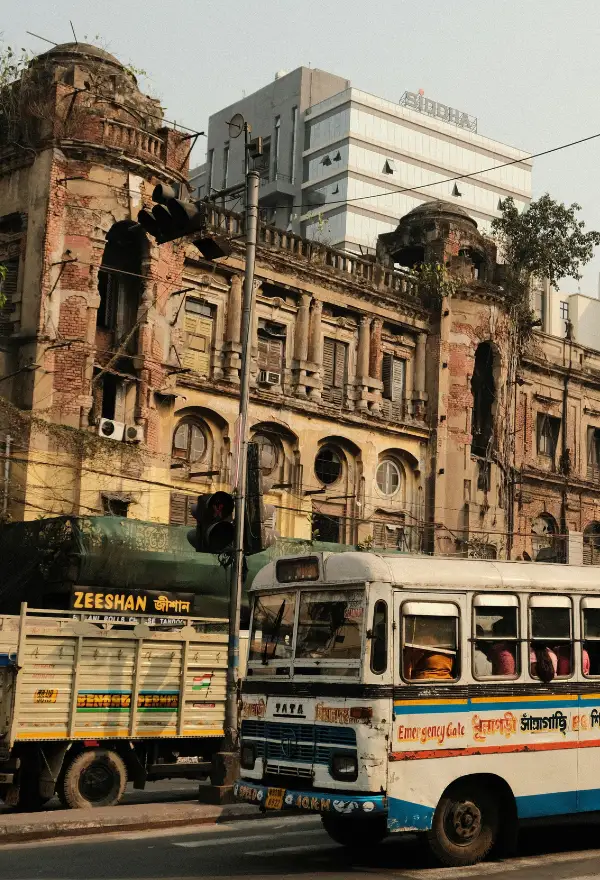
There were yellow taxis everywhere, tram tracks cutting through busy roads, old buildings with peeling paint, bookstores spilling onto pavements, tea being poured into tiny clay cups, and people talking about politics, poetry, cricket, and cinema as if all four were equally important. Kolkata felt less like a city and more like a conversation that had been going on for decades.
I remember walking through College Street one afternoon. There were books everywhere. Books stacked on wooden tables, books piled on the ground, books hidden inside tiny shops that looked like they had not changed in years. Even the air felt different there. Dusty, warm, full of paper and rain and old stories. I ended up spending far too long in one small bookshop, buying books I probably did not need, before walking into Indian Coffee House. The place was crowded, noisy, and somehow timeless. The walls looked old, the waiters moved slowly, and every table seemed to have people sitting around it for hours.
Nobody seemed to be in a hurry. That is one of the things I loved most about Kolkata. The city allows people to take their time. To sit. To talk. To think.
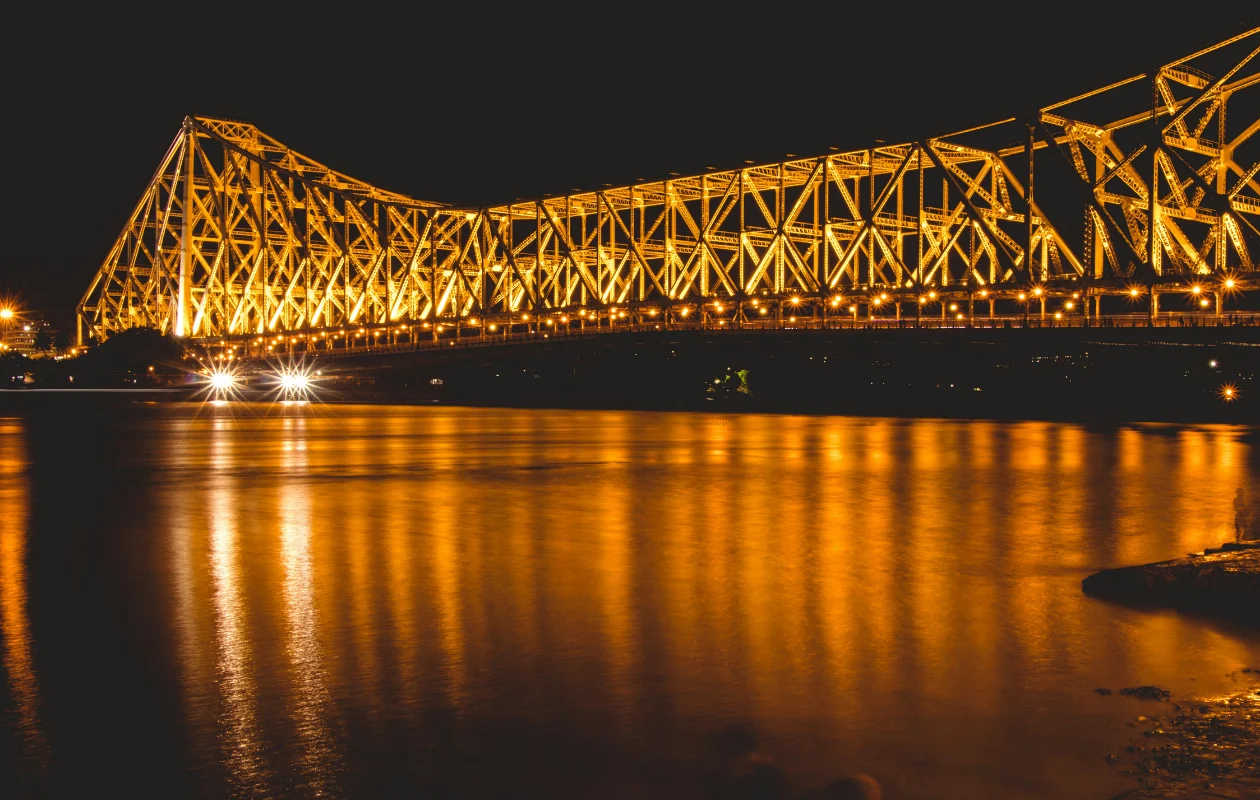
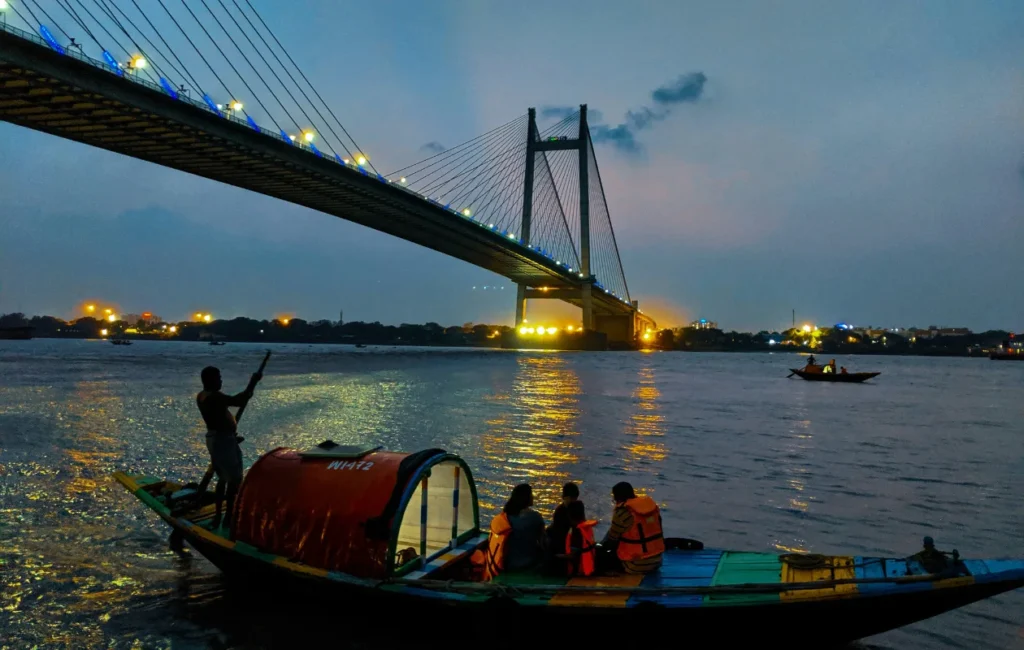
One evening, I stood near the Hooghly River as the sun was setting behind Howrah Bridge. The river moved slowly, ferries crossed from one side to the other, and the bridge looked enormous against the evening sky. People were walking home, buying flowers, drinking chai, feeding birds. Nothing dramatic was happening. But somehow, it felt beautiful.
Kolkata is full of moments like that. A tram rattling past old colonial buildings. The smell of fresh fish and flowers in the morning markets. A sudden rain shower on Park Street. The sound of Rabindra Sangeet drifting out from somewhere. The sight of old men reading newspapers outside tea stalls.
The city has a kind of softness to it. Even when it is crowded. Even when it is noisy. There is warmth here. People talk to you. Shopkeepers ask where you are from. Taxi drivers recommend places to eat. Strangers help you cross roads. There is something deeply human about Kolkata. It does not feel polished or perfect. And maybe that is exactly why it feels so real.
One of my favorite memories was visiting Kumartuli. I watched artisans quietly shaping clay idols by hand, giving faces to gods and goddesses with so much care that it almost felt sacred. There was clay on the floor, paint on the walls, music playing softly somewhere in the background. It was messy and beautiful. Just like Kolkata itself. I think that is what makes this city so unforgettable.
It is not trying to impress anyone. It simply exists exactly as it is — emotional, artistic, nostalgic, imperfect. And if you let yourself slow down enough to notice it, Kolkata has a way of staying with you. Long after you leave. Like a song you keep humming without realizing it.
Well, here’s a ‘for tourist’s’ summed up version:
Best Places to Visit in Kolkata
Victoria Memorial
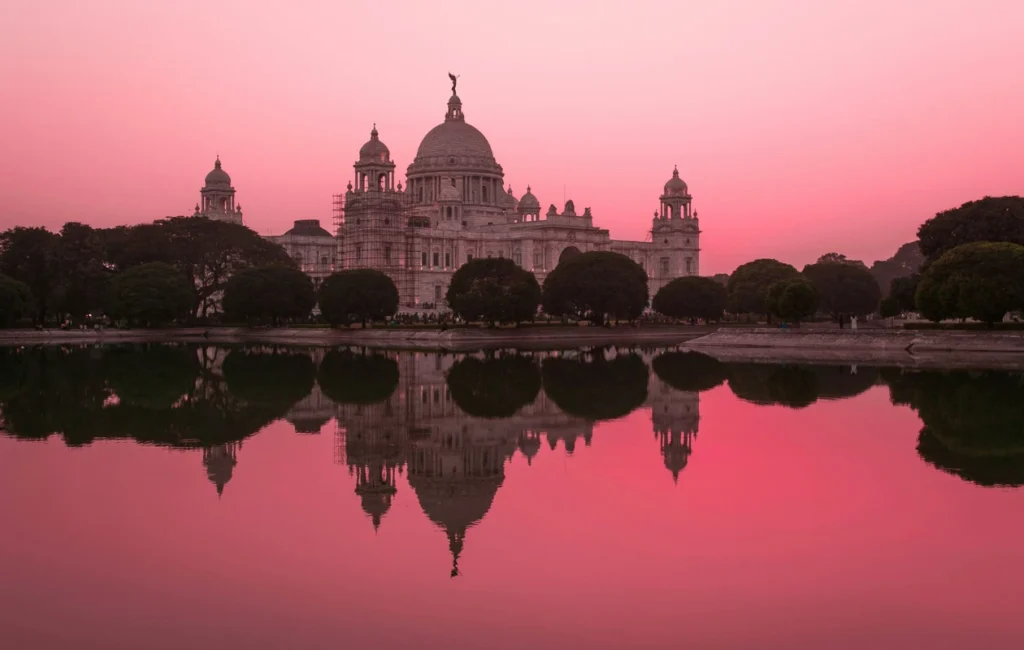
One of the most iconic landmarks in Kolkata, Victoria Memorial is a beautiful white marble building surrounded by gardens. It is one of the best places to understand the city’s colonial history.
Howrah Bridge
This famous bridge over the Hooghly River is one of Kolkata’s biggest symbols. It looks especially beautiful at night when it lights up.
College Street
Known as the largest second-hand book market in India, College Street is a paradise for readers and students. The area is also home to the iconic Indian Coffee House.
Dakshineswar Kali Temple
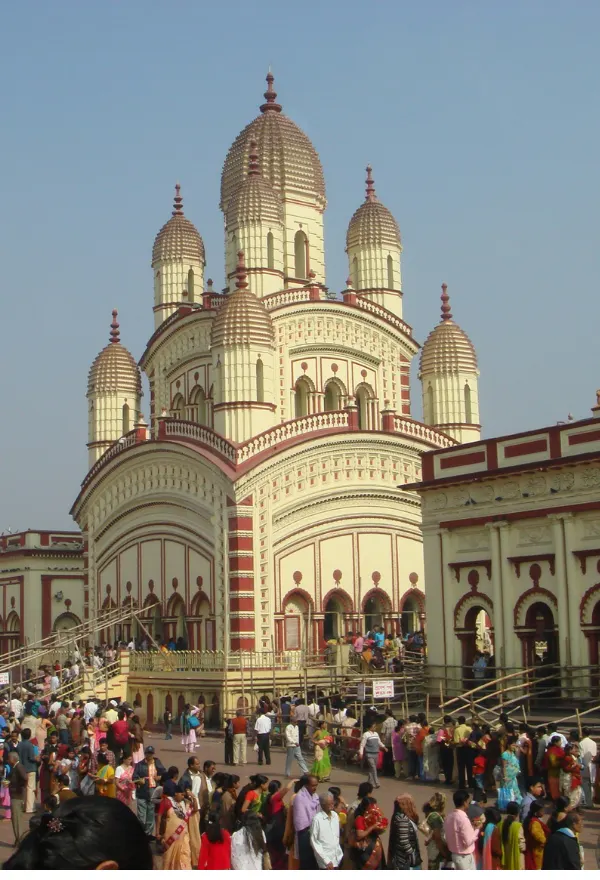
A major spiritual attraction, this temple is visited by thousands of people every day and offers peaceful riverside views.
Kumartuli
This traditional artisan neighborhood is famous for making idols, especially during Durga Puja. It is one of the most unique places to visit in Kolkata.
Things to Do in Kolkata
- Ride a tram through the old parts of the city
- Explore colonial streets and heritage buildings
- Visit local markets and flower bazaars
- Spend time in old cafés and bookshops
- Take a boat ride on the Hooghly River
- Experience the magic of Durga Puja if visiting during festival season
What to Eat in Kolkata
Kolkata is famous for its street food and Bengali cuisine. Some must-try dishes include:
- Kathi Rolls
- Puchka
- Fish Fry
- Kosha Mangsho
- Mishti Doi
- Rosogolla
You can also visit iconic places like Flurys for pastries and tea or explore local food streets for authentic flavors.
Best Time to Visit Kolkata
The best time to visit Kolkata is from October to February when the weather is pleasant.
If possible, plan your trip during Durga Puja to see the city at its most vibrant and festive.
Travel Tips for Kolkata
- Use the metro for quick and affordable travel
- Carry light cotton clothes during warmer months
- Visit major attractions early in the day to avoid crowds
- Keep cash for local markets and street food stalls
- Explore old neighborhoods on foot for the best experience
- Experience boat rides in the evenings